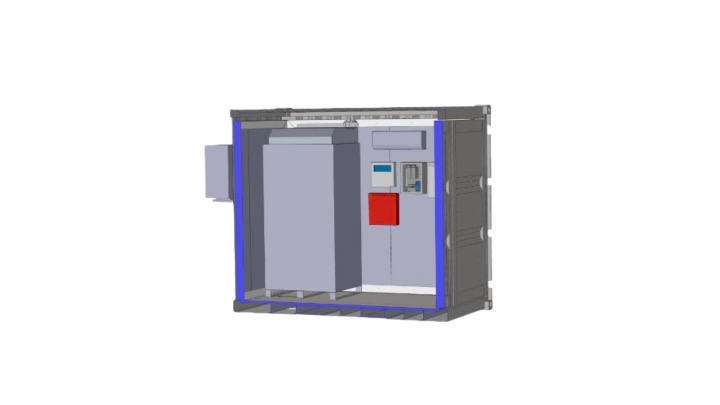
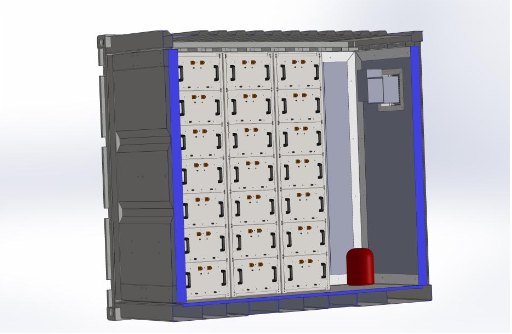
One of the core components under development is a containerized energy storage system. At the current stage, the 3D model of the system has been largely completed, allowing the project to move into the next phase – the construction of a physical prototype. The assembly process has already begun and is currently at an early stage. This represents a significant step toward validating the design assumptions under real-world conditions.
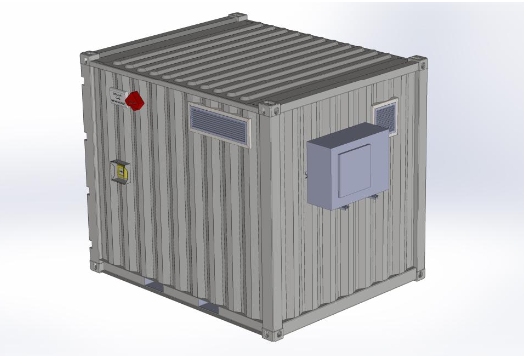
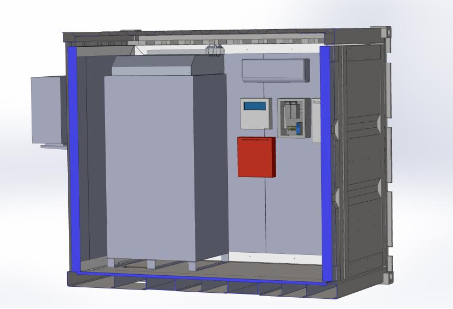
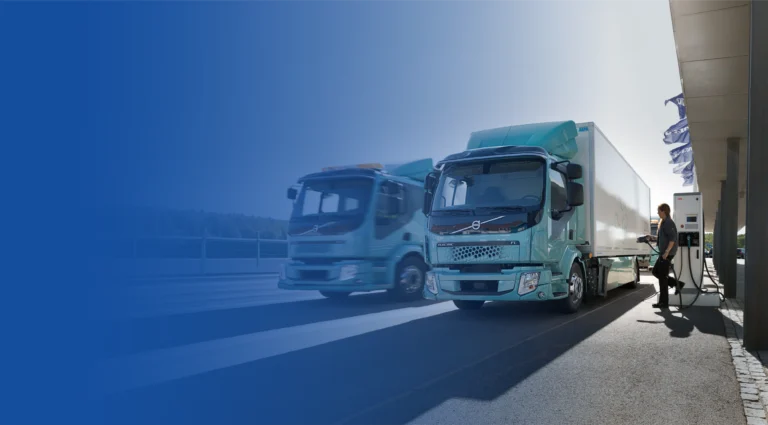
In parallel, work is progressing on a charging station that will ultimately be integrated with the energy storage system. The solution is being designed both for testing purposes and for future deployment within heavy-duty charging hubs. At this stage, its initial concept and key technical assumptions have been defined and will be further developed in subsequent phases of the project.
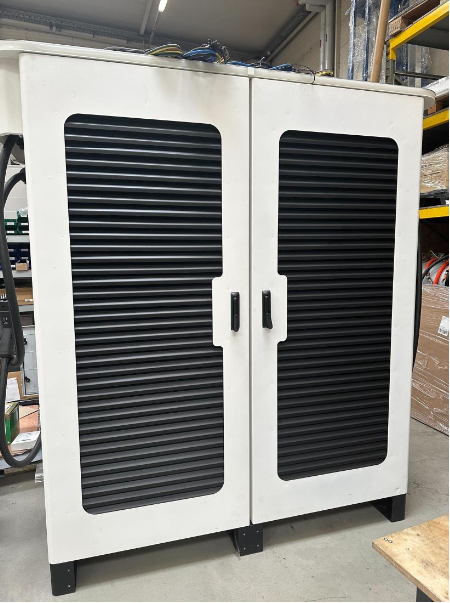
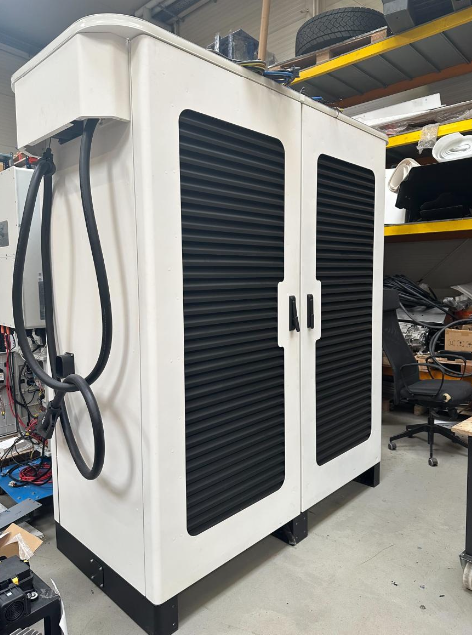
A distinctive element of the project is the development of an in-house V2G (Vehicle-to-Grid) charger. Instead of relying on off-the-shelf solutions, the project team is designing and implementing this component independently. This approach ensures full control over system functionality and allows it to be tailored to the specific requirements of heavy-duty transport and hub-based infrastructure.
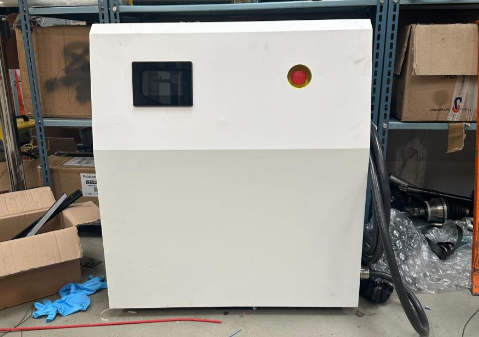
To support validation efforts, an IDIADA tester has been acquired, enabling preliminary testing of the chargers and functional verification of the system. This allows potential areas for optimization to be identified early, ahead of the deployment phase.
At the same time, intensive work is ongoing on the development of the energy management system (EMS), which is a critical component of the overall solution. The EMS is responsible for optimizing energy flows between the storage system, charging infrastructure, and the power grid. Its development directly impacts operational efficiency, system stability, and the ability to integrate with future business models, including flexibility services and load management.