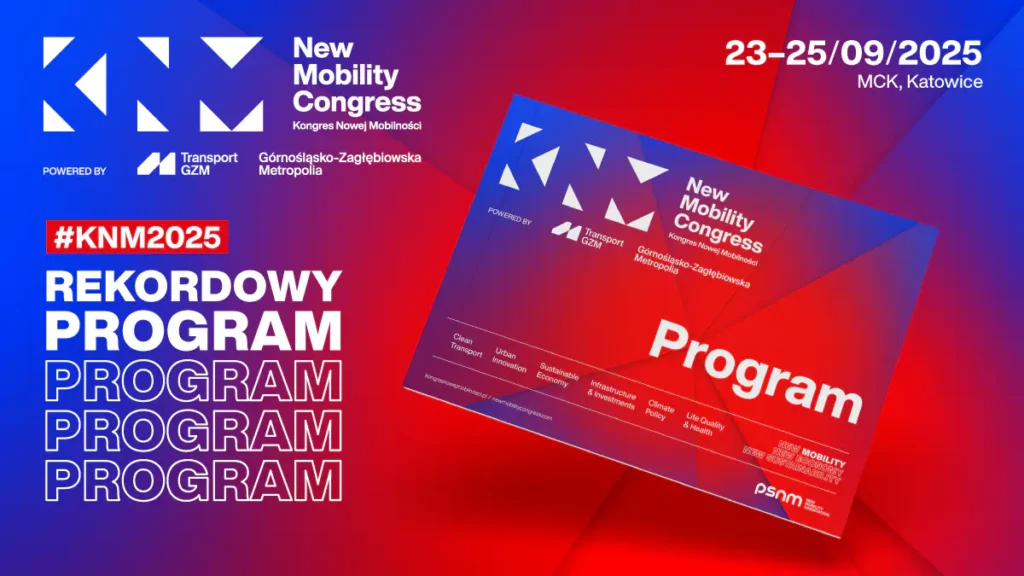
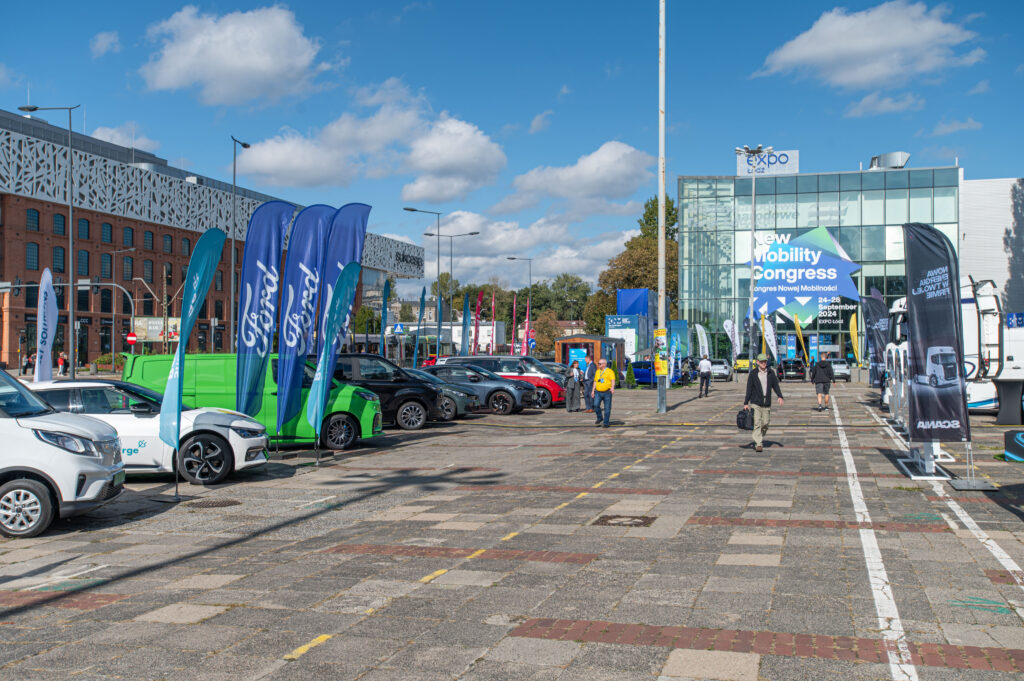
- The largest new mobility event in Central and Eastern Europe is moving to Katowice with a record-breaking program: nearly 250 panels, lectures, and workshops, over 20 premieres, and a 12,000-square-meter expo filled with cutting-edge technologies.
- Reindustrialization, AI, automation, digitalization, and energy security: the KNM 2025 program goes beyond transportation, focusing on all the leading trends related to sustainable transformation.
- KNM 2025 will be held with the strong support and involvement of local governments – several dozen Polish city leaders have announced their participation. Therefore, the Urban Innovation track will play a special role this year, showcasing how cities of the future integrate new technologies with the needs of their residents, says Maciej Mazur, Managing Director of PSNM.
- The New Mobility Congress 2025 is hosted by the Upper Silesian-Zagłębie Metropolis, and organized by PSNM and E-Mobility Europe.
The New Mobility Congress 2025 is the largest event in Central and Eastern Europe dedicated entirely to sustainable transformation. This year, the Congress moves to the heart of the Upper Silesian-Zagłębie Metropolis with a program that addresses the most important economic, social, and transportation challenges facing Poland and the CEE region. The event, organized by the Polish Association of New Mobility (PSNM) and E-Mobility Europe, will take place from September 23-25, 2025, at the International Congress Centre in Katowice.
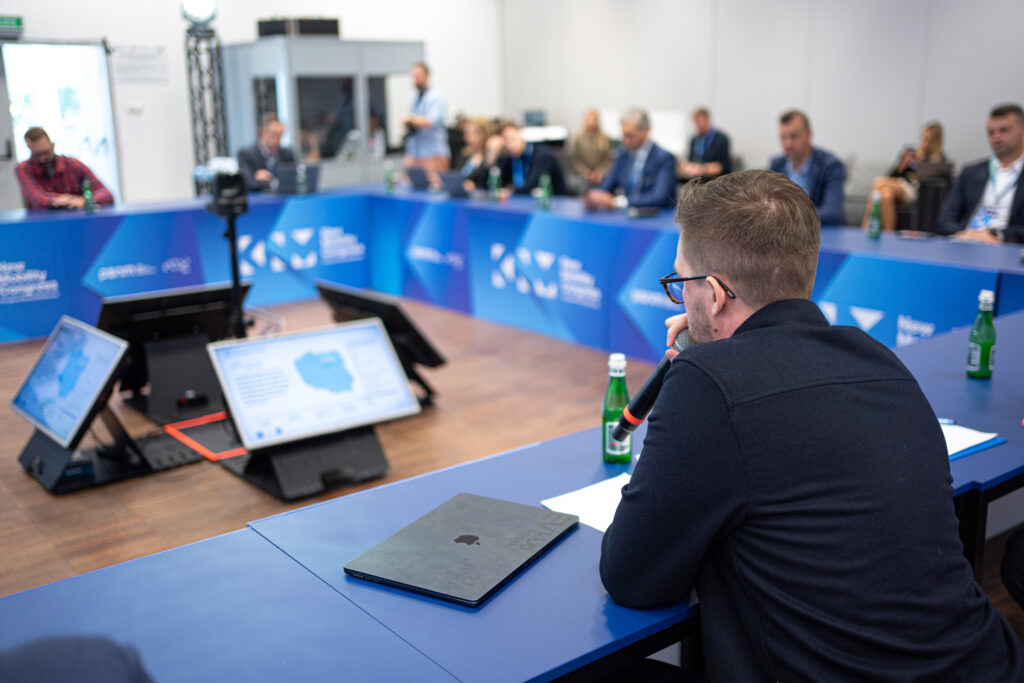
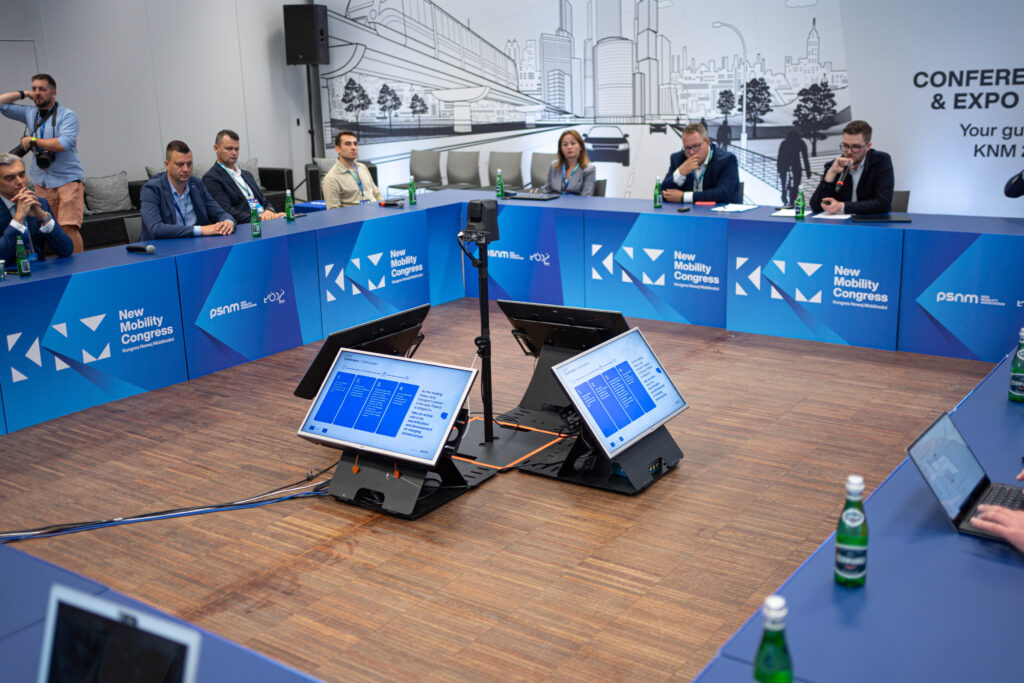
The scale of the Congress is groundbreaking. Ten stages will feature 250 program items: panel discussions, workshops, roundtables, presentations, and premiere screenings. The substantive portion of the program will focus on six main thematic tracks:
- Clean Transport (including eHDV Forum Powered by LIFeHDV)
- Urban Innovation
- Sustainable Economy
- Infrastructure & Investments
- Climate Policy
- Life Quality & Health
„The holistic nature of the KNM 2025 program is the result of intensive collaboration with the entire new mobility ecosystem. We have managed to create a platform that builds bridges between various sectors – from startups to corporations, from local governments to international institutions. We want to foster dialogue between industries and are opening up to new areas such as urban planning, aviation, and defense. KNM 2025 is a space for real influence on the shape of transport and the economy in Poland and Central and Eastern Europe,” commented Maciej Mazur, Managing Director of PSNM.
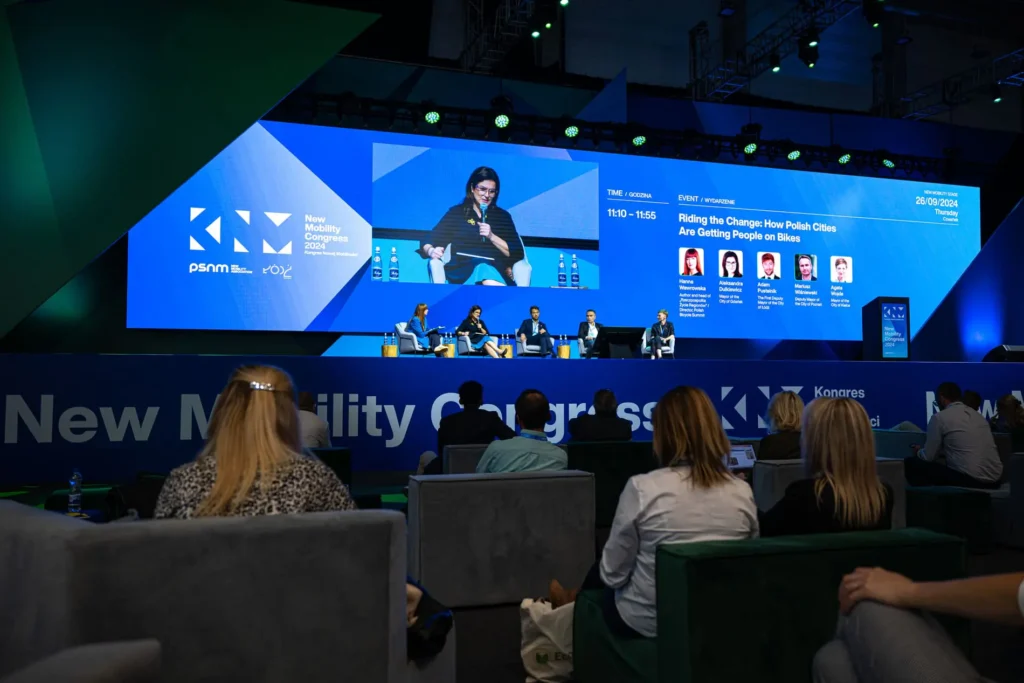
A Program Focused on Local Priorities and Global Trends
New Mobility Meets New Urbanism: This year’s Congress will focus even more on the opportunities and challenges that sustainable transformation brings for urban development, improving quality of life, and combating transport exclusion. The Urban Innovation track is curated by renowned reporter and photojournalist Filip Springer, who has invited influential voices from urban planning, architecture, and other areas related to shaping urban space to participate in the KNM discussion. The value of the debate will be reinforced by the particularly strong involvement of local governments: several dozen mayors of Polish cities (including Katowice, Kielce, and Łódź) and numerous representatives of metropolises from across Europe have already confirmed their participation.
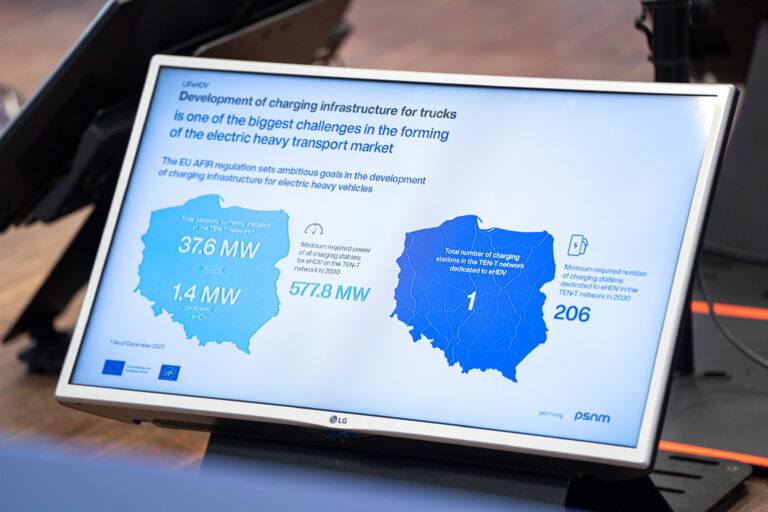
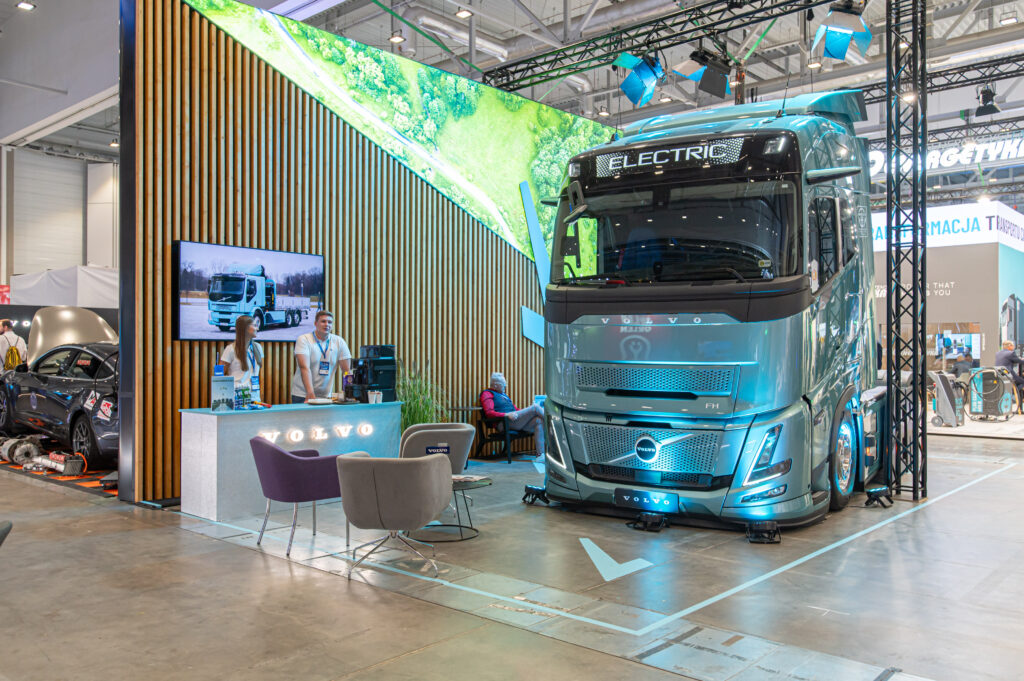
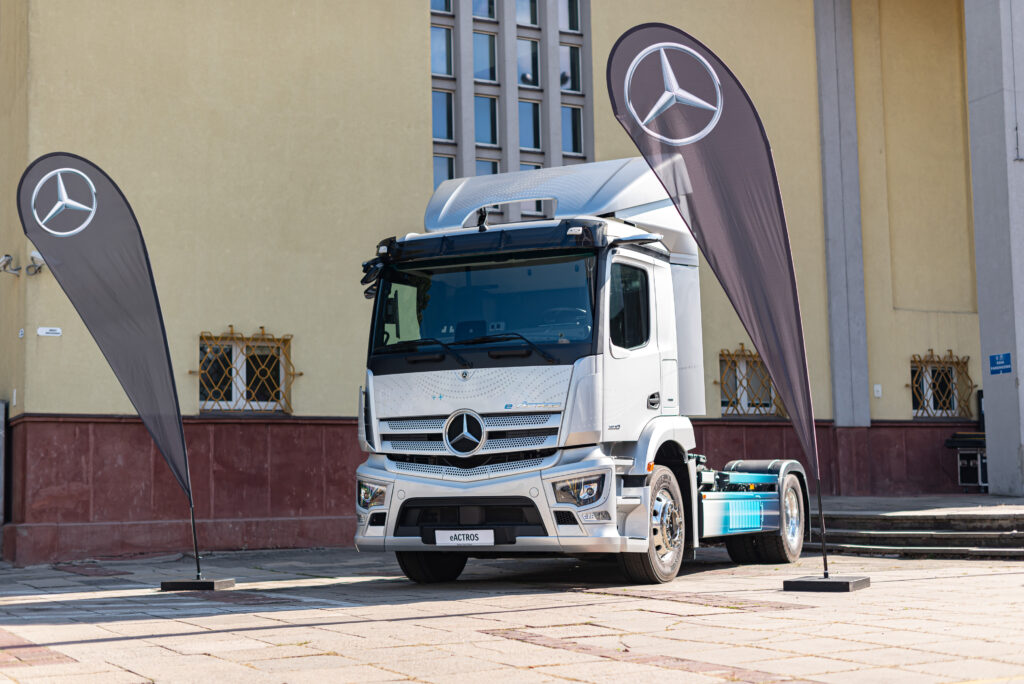
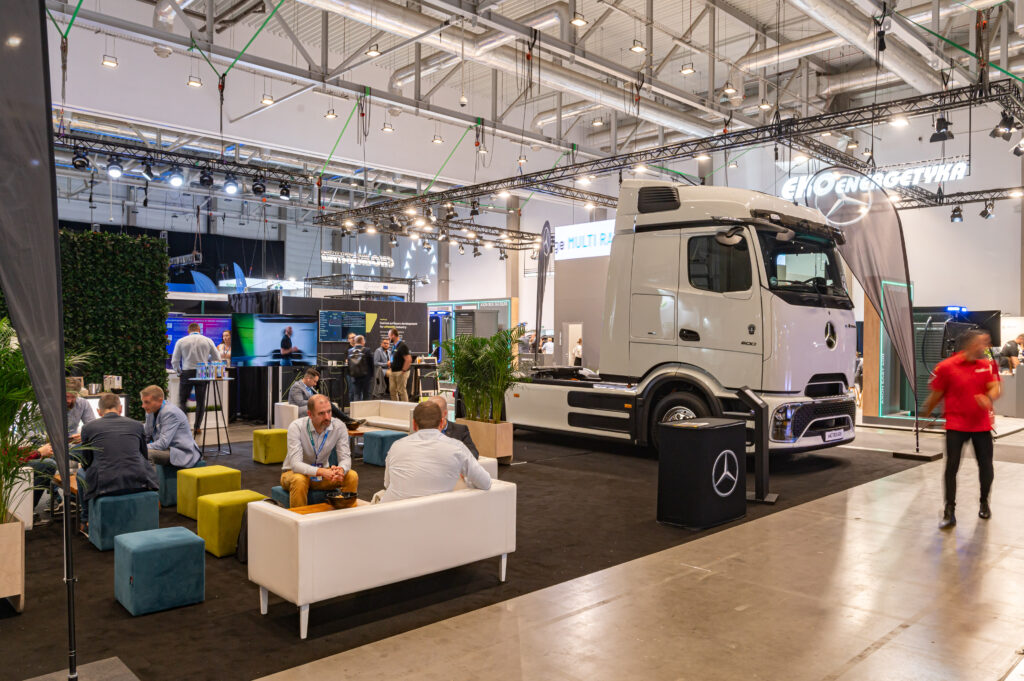
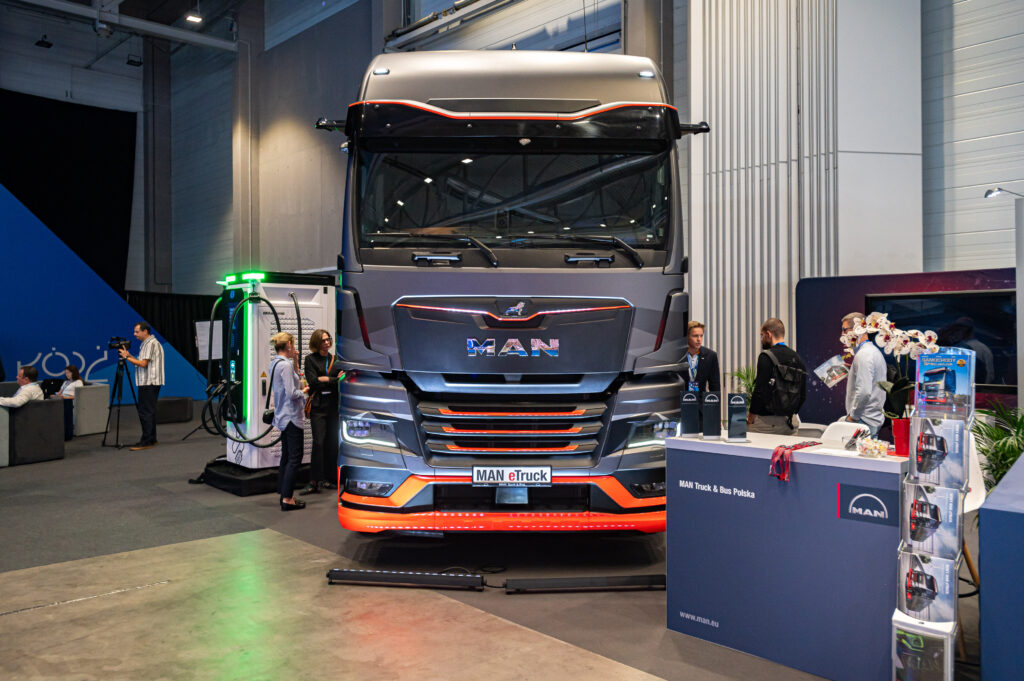
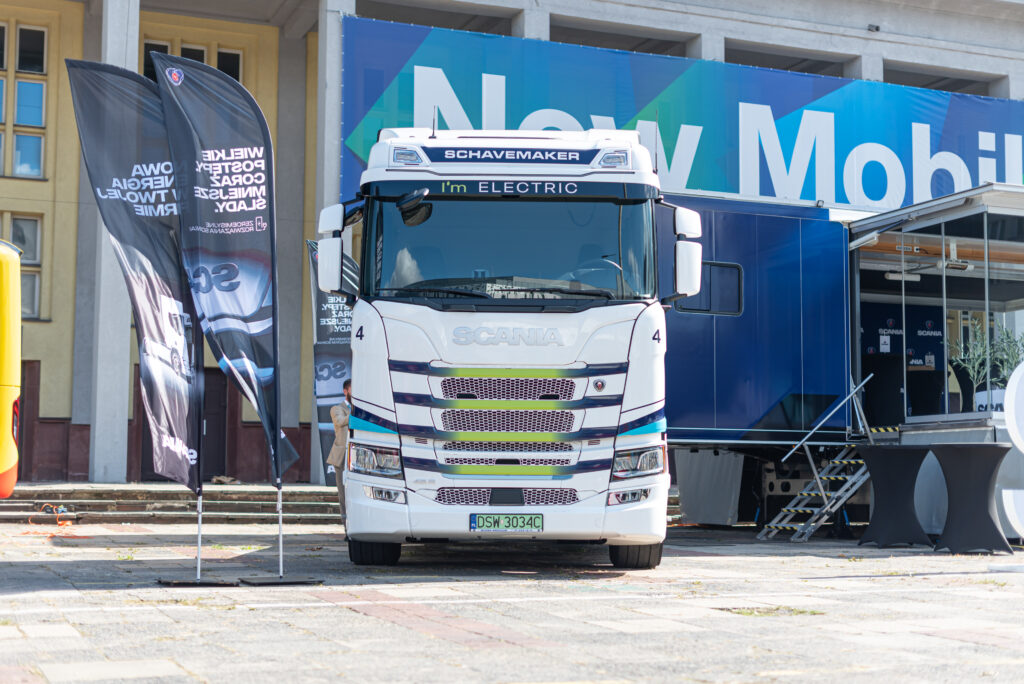
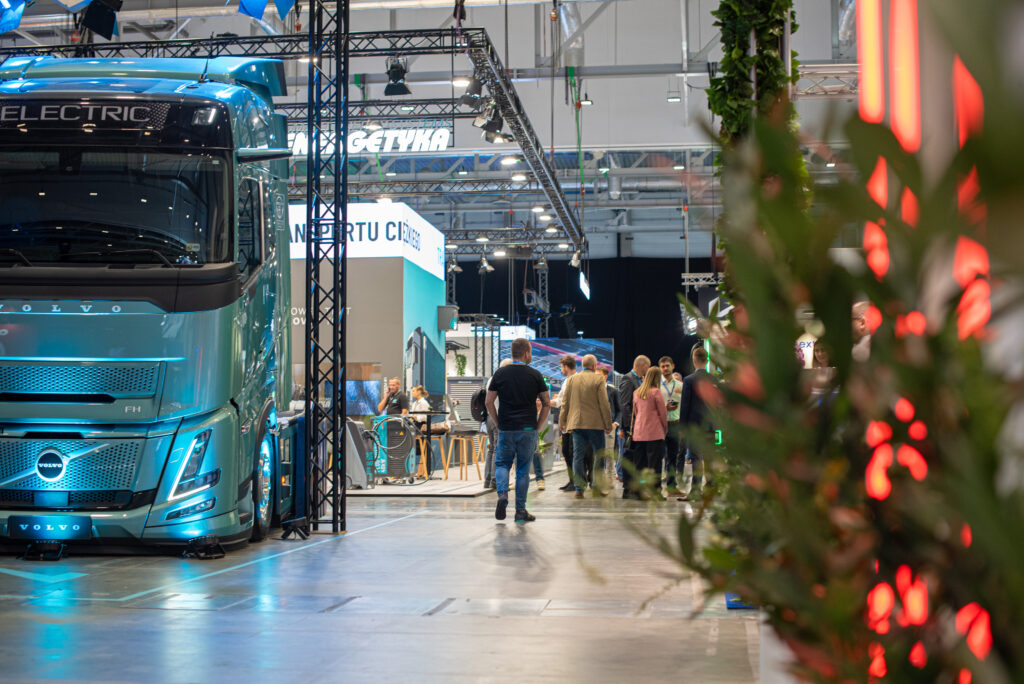
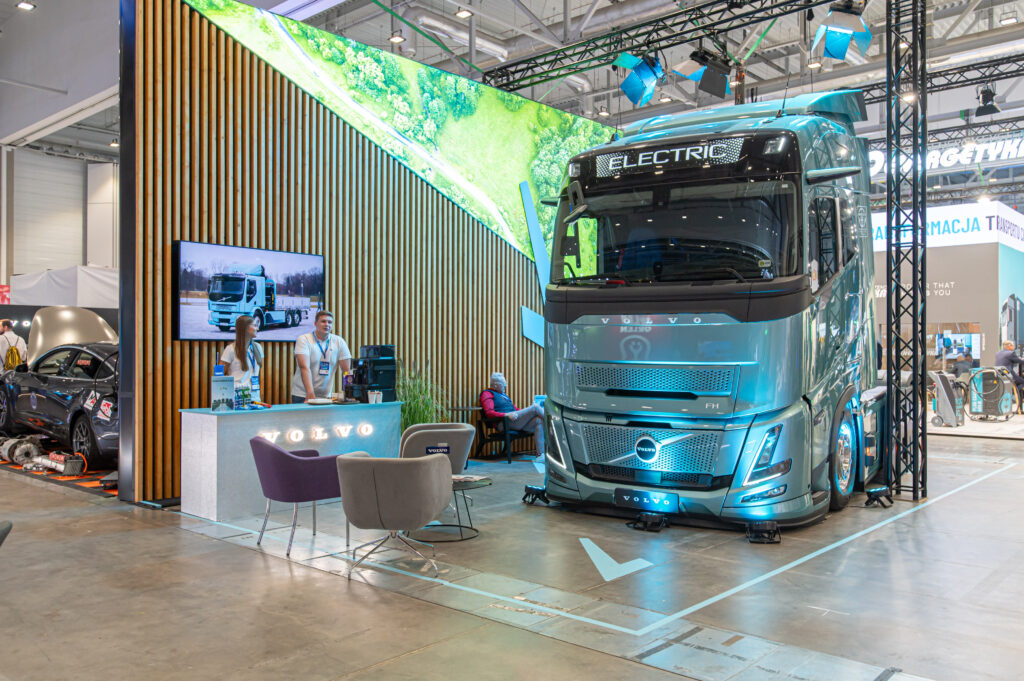
A particular highlight of the Congress are the dedicated industry events focusing on key sectors of the Polish economy. As part of the Clean Transport pathway, significant attention will be paid to the electrification of heavy transport, including the development of charging infrastructure along TEN-T road corridors, the expansion of the electricity grid, and the electrification of logistics centers and forwarding depots. Decarbonization is one of the main challenges facing the TSL industry, which accounts for 7% of Poland’s GDP.
„As Chairman of the Program Council, I see the New Mobility Congress 2025 as a key platform for dialogue between policy and practice. At a time when Poland faces a historic opportunity to strengthen its position in the global value chains of new mobility, events like this take on particular significance. The congress program perfectly addresses the challenges we face in implementing the Green Deal and building a competitive economy based on clean technologies,” emphasizes Dariusz Wieczorek, Member of the Polish Parliament and Chairman of the New Mobility Congress 2025 Program Council.
The economic opportunities for Poland and the CEE region in the context of transport transformation will be at the heart of the Sustainable Economy thematic track. Estimates suggest that by 2040, new mobility could generate approximately 5% of Poland’s GDP, becoming a strategic sector of the economy. Speakers representing EU institutions, the financial sector, industry, academia, and think tanks will engage in a debate on the competitiveness of the national economy, financing and attracting investment, the importance of research, and business diversification.
The importance of new value chains and business models based on industrial decarbonization are crucial to the development of the new mobility market. The growth of the global zero-emission vehicle fleet requires the expansion of charging and hydrogen infrastructure, the production capacity of production plants, and the recycling of raw materials. The Infrastructure & Investments thematic track will bring together industry and business leaders from all sectors affected by the sustainable transformation.
„According to the International Energy Agency, the global fleet of electric passenger cars is expected to quadruple by 2030, reaching 250 million. At the same time, due to autonomy, the number of vehicles worldwide will decrease by up to 20% in 2040. The development of the new mobility market will impact many related industries. The Polish automotive sector cannot afford to ignore these changes and the opportunity for development. Investment in innovation will be the key to success,” says Aleksander Rajch, Member of the PSNM Management Board.
Under the European Green Deal, Europe aims to become the world’s first continent with zero CO2 emissions by 2050. This ambitious goal raises significant challenges for legislative changes consistent with the concept of a just transition. The Climate Policy thematic track will focus on the role of climate goals and policies in the transformation of transport. EU regulations, decarbonization strategies, and financing for green mobility will be discussed. Speakers will come from government institutions, local governments, international organizations, and the worlds of science and business, offering a multifaceted perspective on the challenges and opportunities related to climate neutrality.
The Life Quality & Health thematic track at the New Mobility Congress 2025 focuses on the impact of sustainable transport on public health and quality of life in cities. The topics of reducing air pollution and urban noise, as well as promoting active mobility and creating welcoming public spaces, will be prominent. Speakers will include experts in health, urban planning, the environment, local government officials, and representatives of NGOs and academia.
The full, constantly updated version of the New Mobility Congress 2025 program is available at: KNM 2025 Program
Specialized Industry Forums and Key Topics
„This year’s KNM 2025 also features a rich program of accompanying events. Among them, the leading special format is the Innovation Forum: Scientific and Technical Symposium on New Mobility, organized by PSNM in cooperation with the Łukasiewicz Research Network,” adds Łukasz Witkowski, Operations Director of PSNM.
Also taking place will be the Bike Show & New Mobility Fest, promoting cycling as an integral element of the transport systems of future cities; Driving Sustainable Aviation, dedicated to sustainable technologies in aviation; and the Automated and Autonomous Mobility Forum, featuring global leaders in autonomous vehicles. The New Mobility Security Forum, in turn, addresses current challenges related to energy security and the transfer of military technologies to civilian applications. The startup eHUB aims to connect innovators and investors. Battery Day and Hydrogen Suppliers Days will focus on new technologies and challenges in the battery and hydrogen ecosystem.
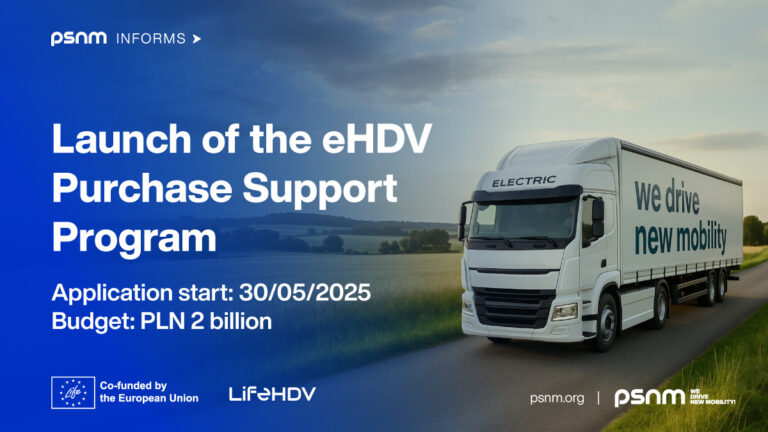
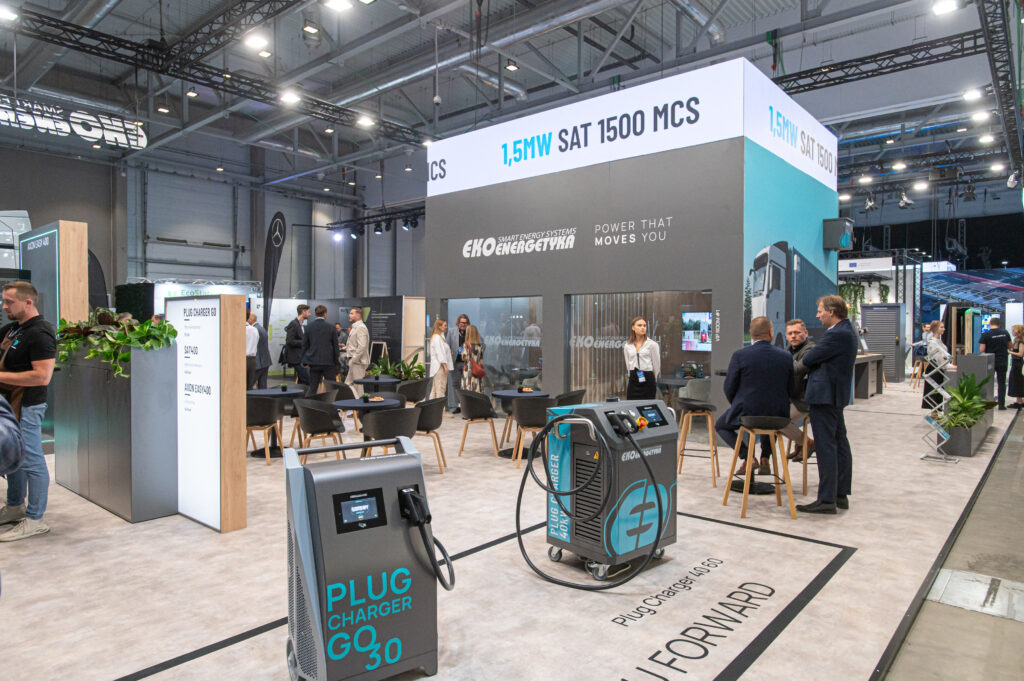
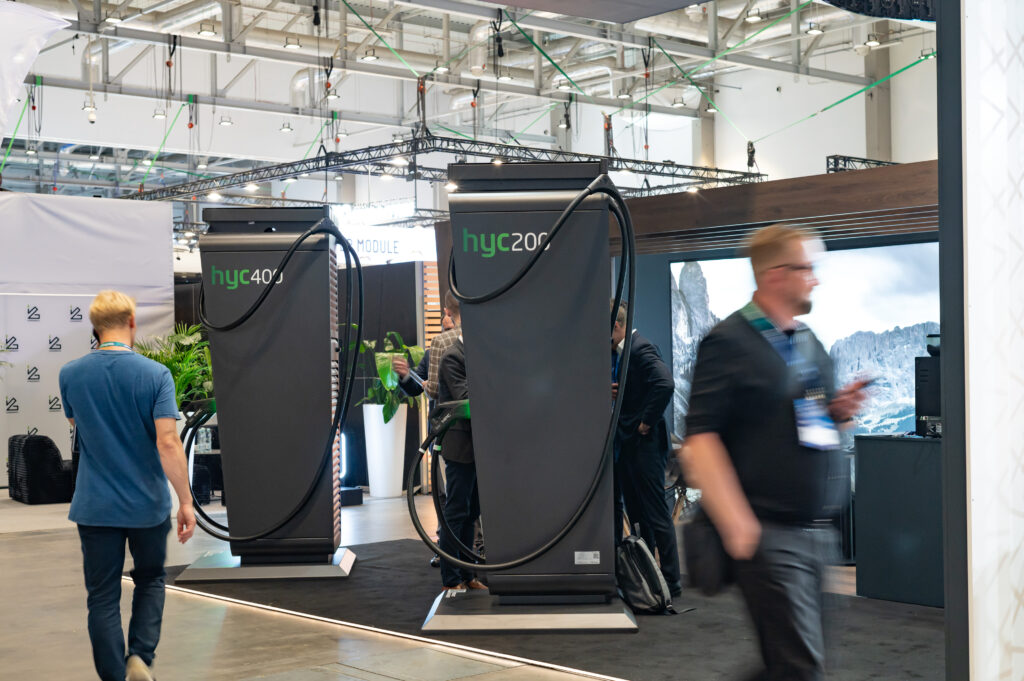
Another key element of the program will be the eHDV Forum Powered by LIFeHDV, a dedicated track focused on the electrification of heavy-duty road transport and the development of high-power charging infrastructure. The forum will bring together leading stakeholders from across the ecosystem – including vehicle manufacturers, charging infrastructure providers, logistics operators, policymakers and industry organizations. The program will feature five panel discussions, three keynote speeches and a hands-on workshop, addressing the most pressing barriers to scaling zero-emission freight transport, with particular emphasis on the deployment of charging infrastructure, business case viability and regulatory frameworks for the heavy-duty sector.
400 speakers from around the world
This year, the event will attract such renowned names as Carlo Ratti, Professor at the MIT Department of Urban Studies and Planning; Rob de Jong, Head of the Sustainable Mobility Unit at UNEP; Karen Vancluysen, Secretary General of POLIS; and Lan Marie Nguyen Berg from the Oslo Environment and Transport Department; Hui Zhang, Vice President of NIO Europe; Piotr Pawlak, President of Toyota Northern Europe; and representatives of Polish giants such as Ireneusz Fąfara, President of the Management Board of ORLEN; and Michał Fijoł, President of the Management Board of LOT Polish Airlines.
Practical Information
The New Mobility Congress 2025 will take place from September 23-25, 2025, at the International Congress Centre in Katowice. The event is organized by the Polish Association of New Mobility (PSNM) in cooperation with the GZM Metropolis and E-Mobility Europe.
More information can be found at: Kongresnowejmobilnosci.pl