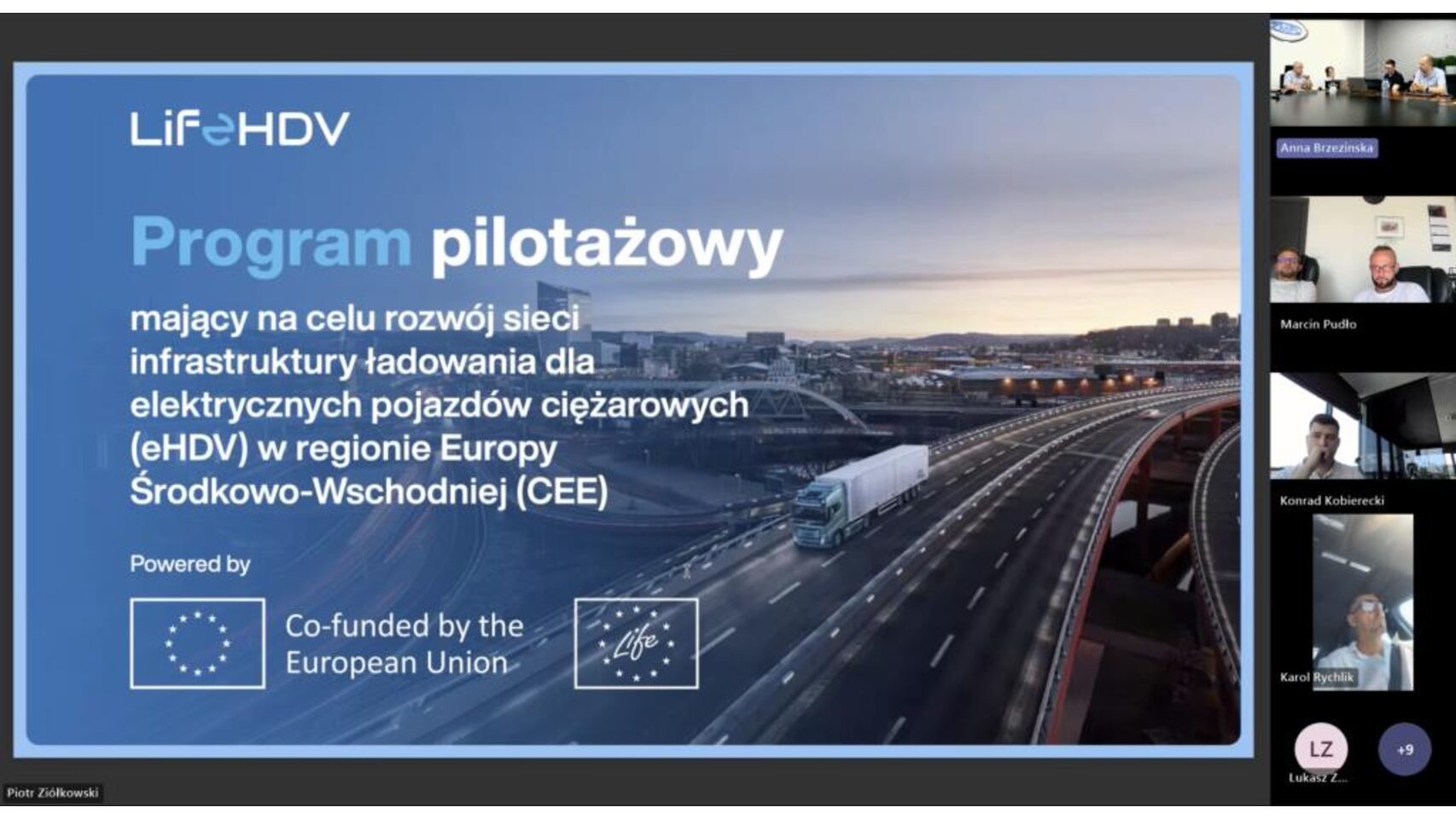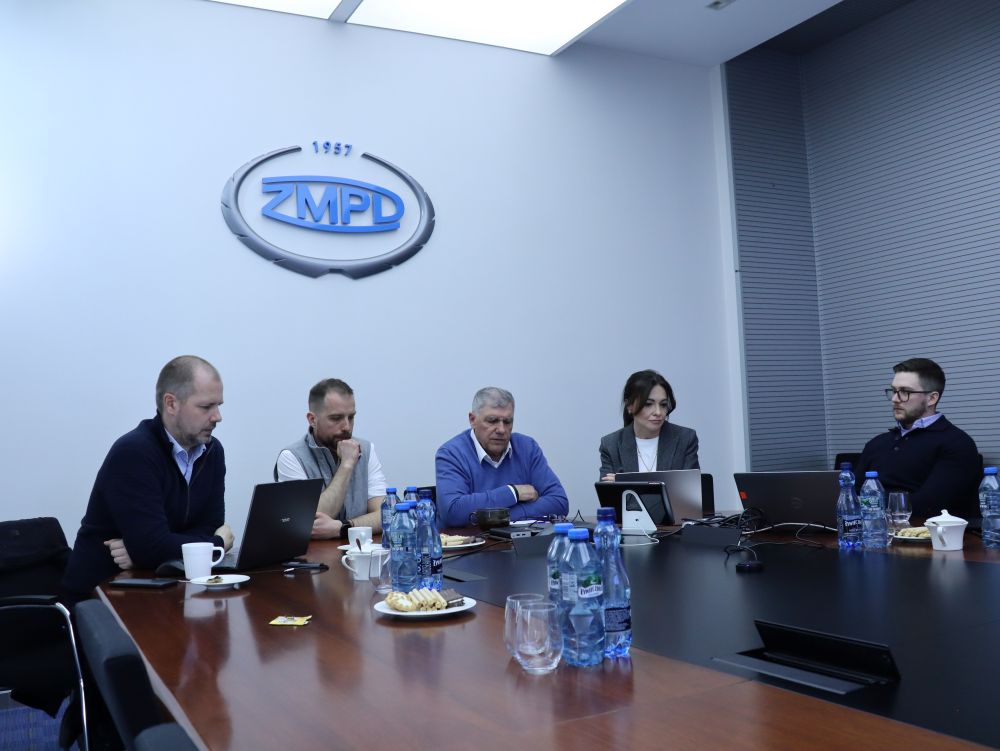
The discussion also included a broader overview of the market, highlighting its current development pace, which in Poland still remains below expectations compared to more advanced European markets.

Importantly, the discussion was not only informative but also strategic in nature. The programme, although available for nearly a year and offering highly attractive financial conditions, has so far attracted limited interest, as reflected in the low number of submitted applications.
The current results of the programme clearly illustrate the scale of the challenge. As of the latest update, only 59 applications have been submitted to the National Fund for Environmental Protection and Water Management (NFOŚiGW), covering a total of 127 vehicles. Out of these, 20 applications representing 27 vehicles have already been rejected. The remaining applications are split between 20 N2 category vehicles and 107 N3 heavy-duty trucks. Considering that the programme has been in operation for nearly a year and offers substantial financial support, these figures remain relatively low and highlight the limited uptake among transport operators. This further confirms that financial incentives alone are not sufficient to drive the transition, and that structural barriers – most notably the insufficient charging infrastructure continue to significantly hinder market development.
Transport operators clearly articulated their concerns, with one dominant conclusion emerging across the discussion: the lack of sufficiently developed charging infrastructure remains the key barrier to wider adoption of electric trucks. Even with substantial financial incentives reducing the upfront cost of vehicles, carriers are hesitant to invest due to uncertainty around access to reliable and widely available charging both along major transport corridors and within depot operations.
This feedback strongly reinforces the importance of initiatives such as the LIFeHDV project, as well as broader, coordinated efforts to accelerate the deployment of charging infrastructure for heavy-duty transport. Without parallel development of infrastructure, even the most well-designed financial support schemes will struggle to deliver their intended impact.
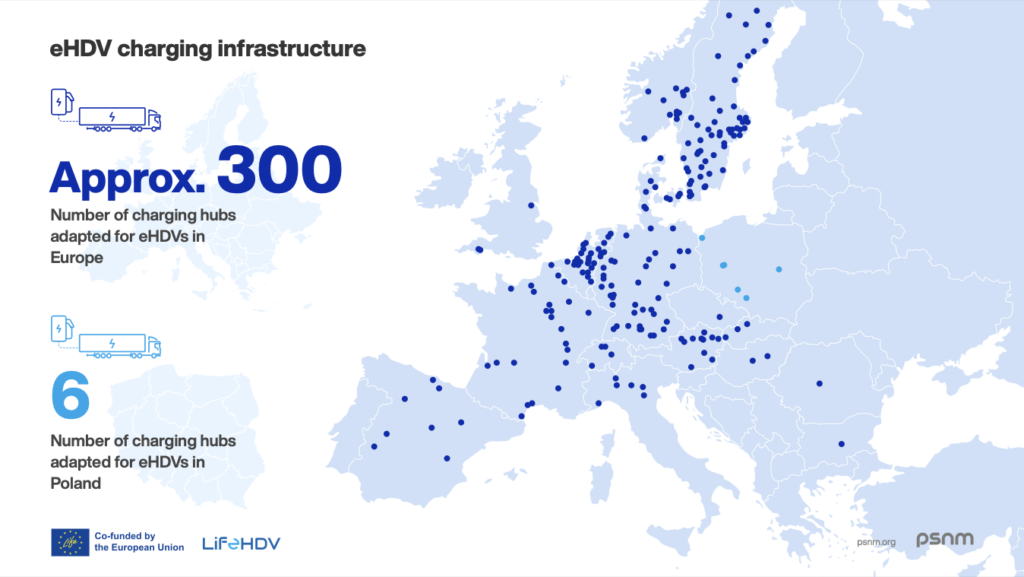
In this context, charging infrastructure continues to represent the Achilles’ heel of the electromobility sector in Poland and at the same time, the single most critical enabler for scaling up the transition to zero-emission freight transport.