For the market, this is an important signal – it increases predictability and provides a tangible investment impulse for zero-emission heavy-duty transport.
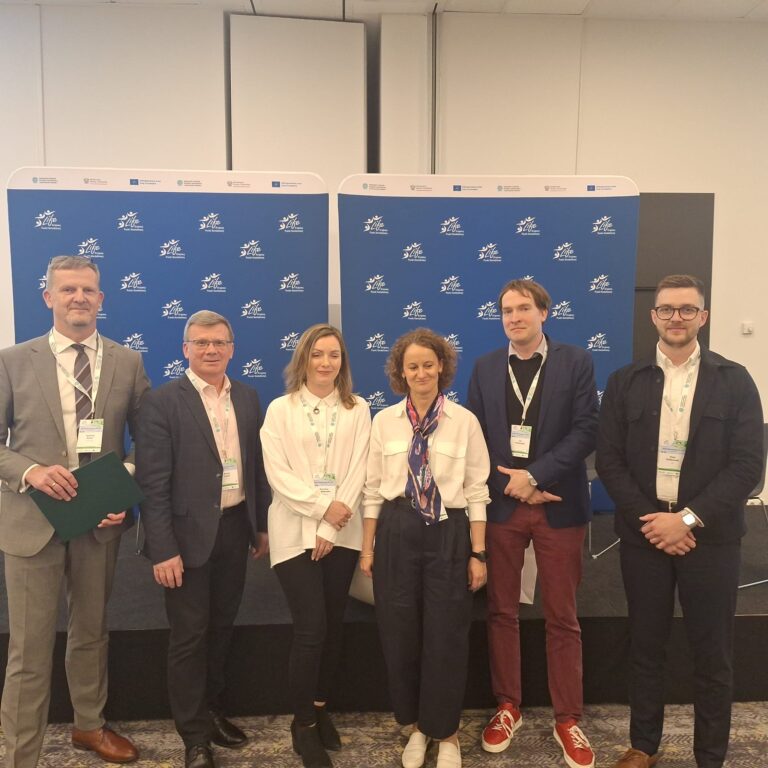
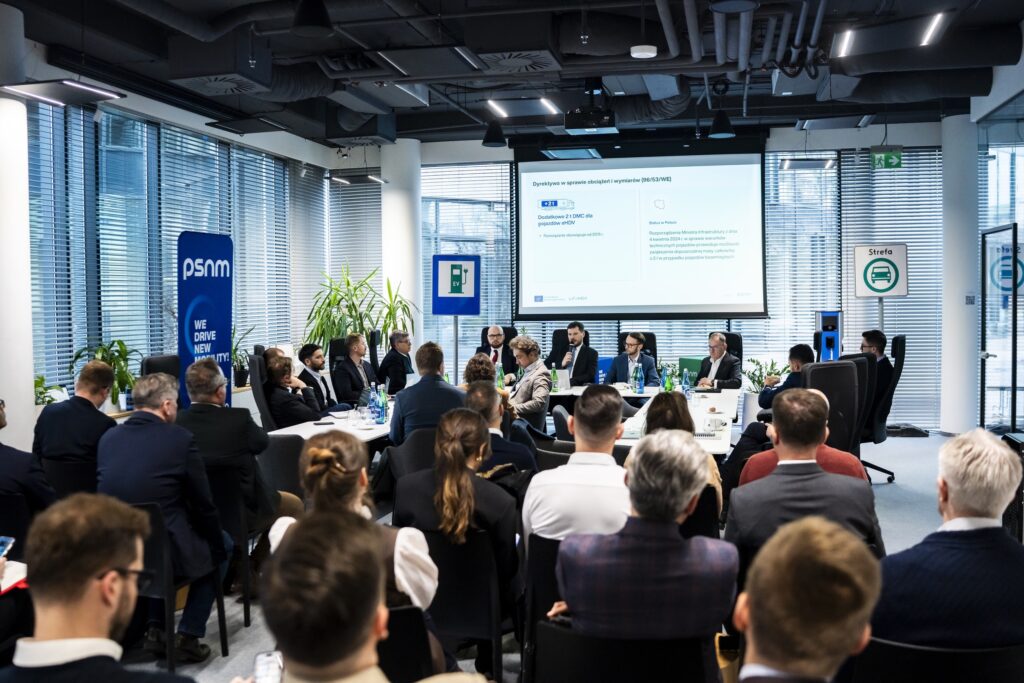
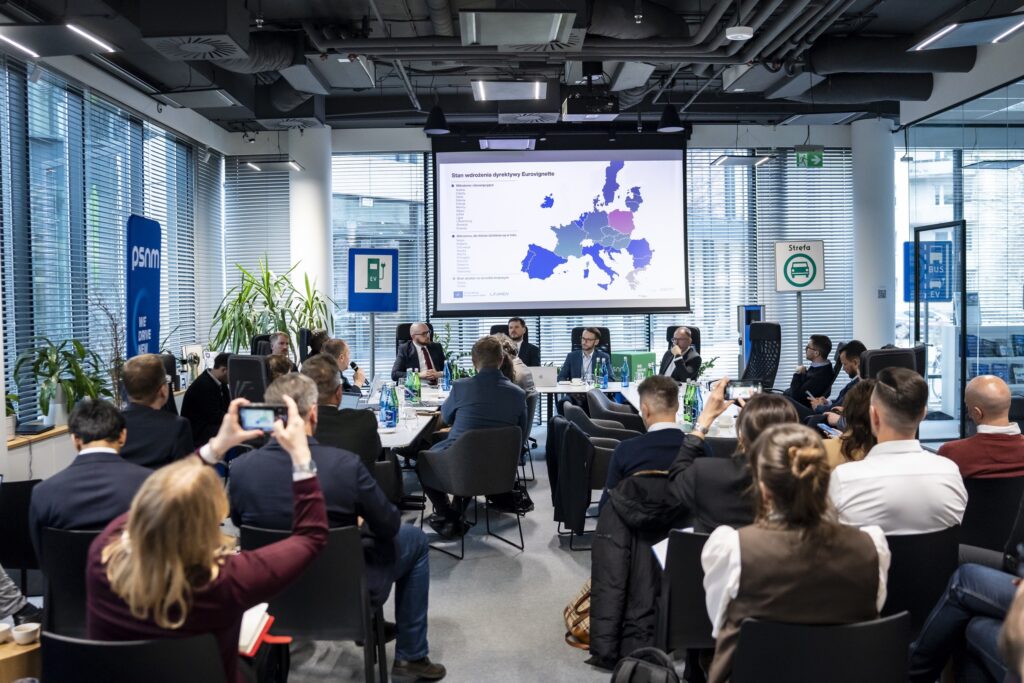
These topics were among the key points discussed during the first meeting this year of the PSNM Logistics & Transport Committee and Financial Committee, organised within the framework of the LIFeHDV project.
Representatives of the Ministerstwo Energii (Ministry of Energy) and the Ministerstwo Klimatu i Środowiska (Ministry of Climate and Environment), as well as representatives of NFOŚiGW, participated in the meeting and presented the current timeline and status of support programmes. At this stage, continuity of calls and clear financing rules are crucial – without them, investments in eHDV infrastructure remain exposed to elevated risk.
The financial sector’s voice was also strongly represented. PKO Leasing presented proposals prepared by the Związek Polskiego Leasingu (Polish Leasing Association) and the Polski Związek Wynajmu i Leasingu Pojazdów (Polish Vehicle Rental and Leasing Association) regarding DNSH declaration requirements. The need to clarify the scope of responsibility for leasing companies in areas beyond their direct control was highlighted. From a market perspective, this is a practical issue – excessive administrative burdens may limit access to financing and slow down fleet electrification.
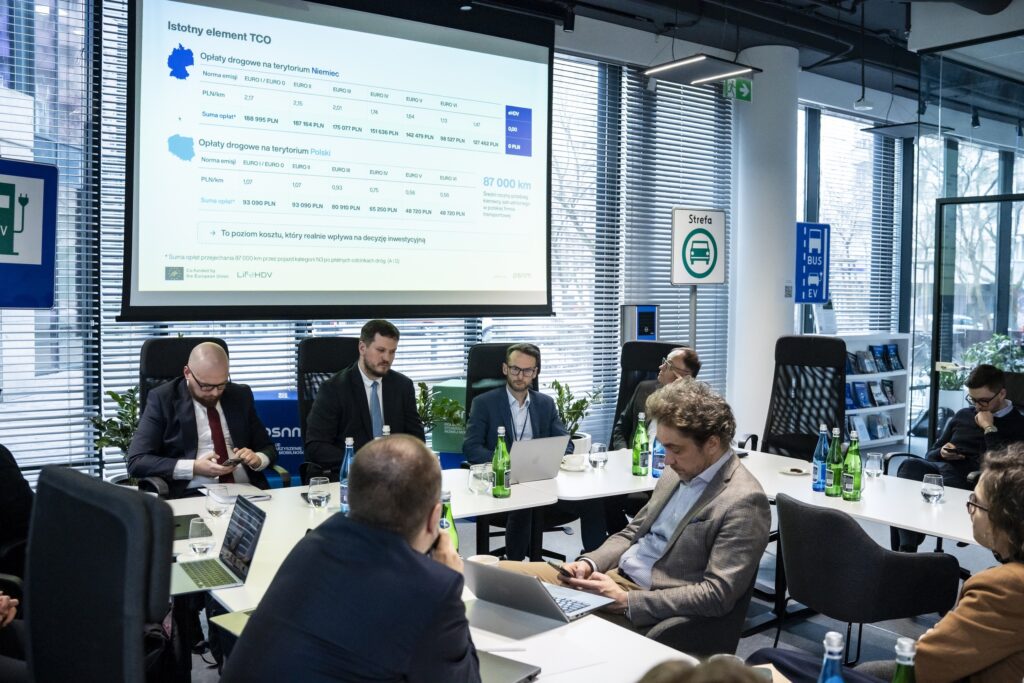
The meeting also addressed the lack of implementation of the revised Eurovignette Directive. The absence of CO₂-based differentiation in road tolls negatively affects the total cost of ownership (TCO) of zero-emission vehicles and the competitiveness of Polish hauliers. This is a systemic factor that directly impacts the business case for investing in eHDVs.
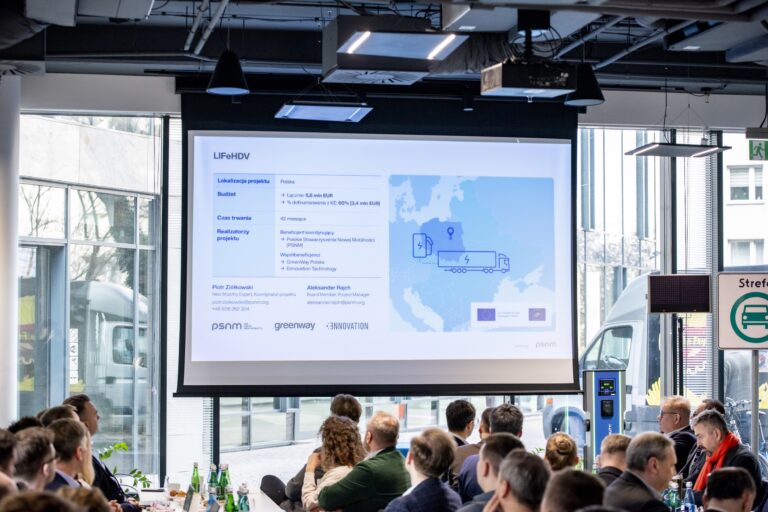
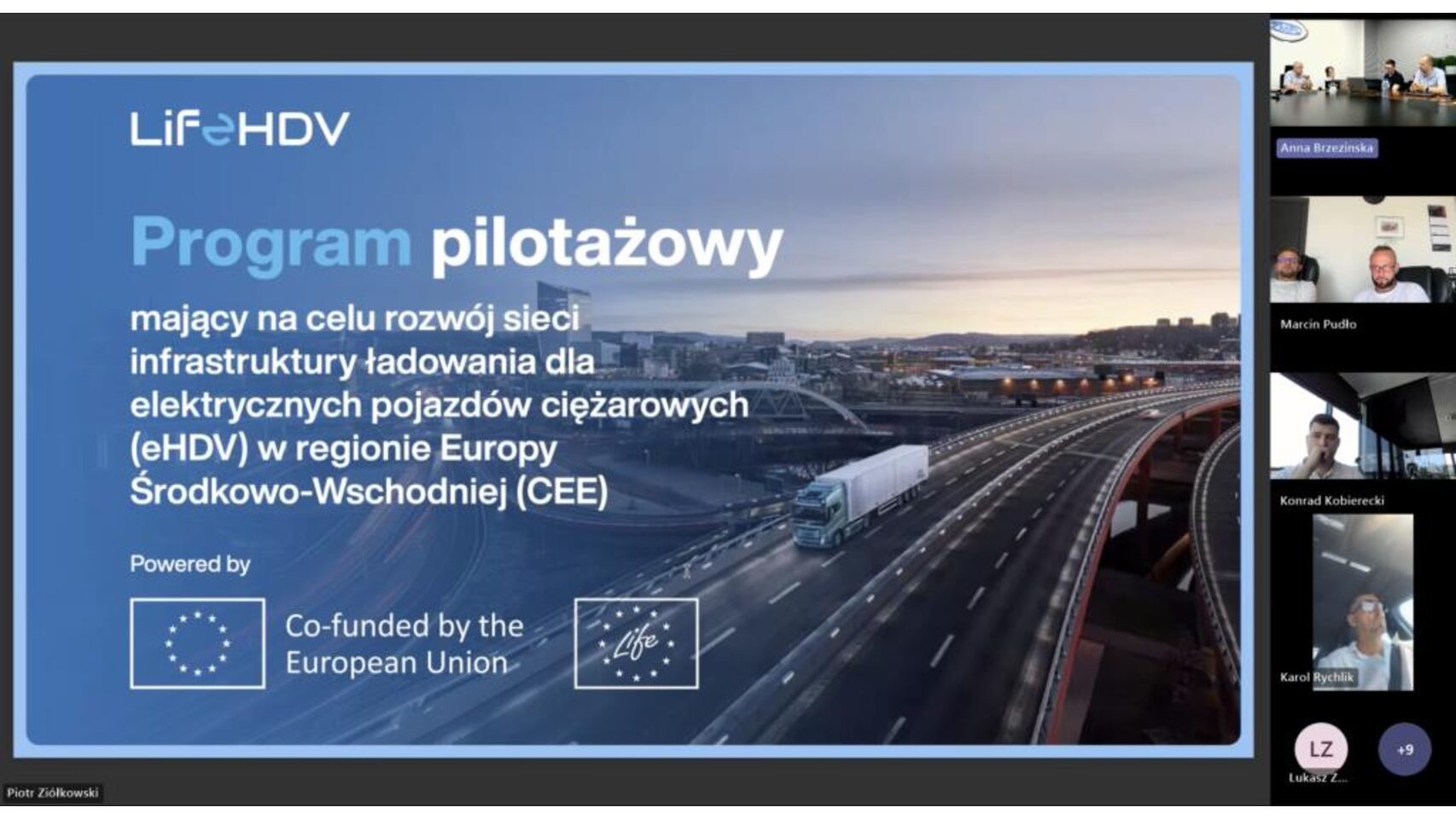
The LIFeHDV project, implemented by the Polskie Stowarzyszenie Nowej Mobilności (PSNM) in cooperation with GreenWay Polska and Ennovation Technology, focuses on the development of pilot charging hubs for heavy-duty transport. At the same time, it includes activities supporting the broader market environment – including the work of the committees, which help identify regulatory barriers and shape solutions that enhance the stability and long-term profitability of the eHDV market.
The committee meeting was preceded by workshops under the eCorridor project, carried out by PSNM together with Smart Freight Centre and PragmaCharge. These initiatives contribute to a coherent and long-term approach to the decarbonisation of heavy-duty transport.
We would like to thank all participants for their substantive discussion and continued engagement in building a stable foundation for the eHDV market in Poland.