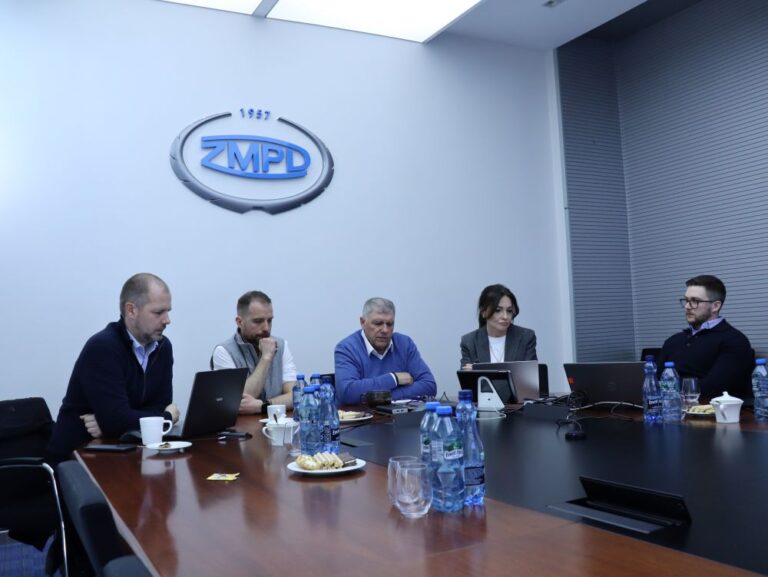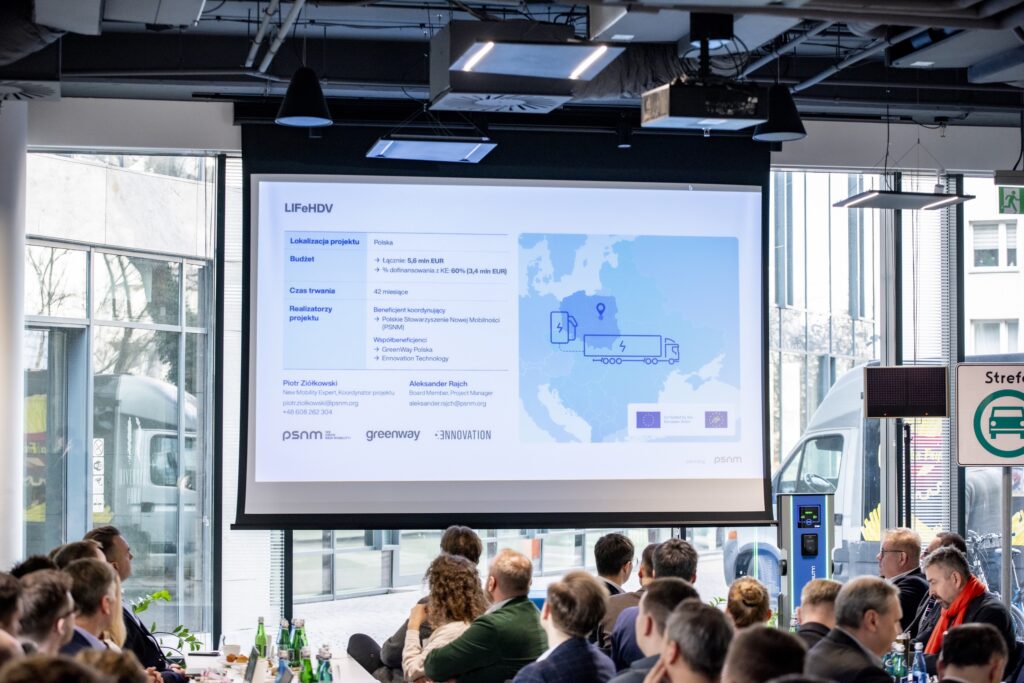
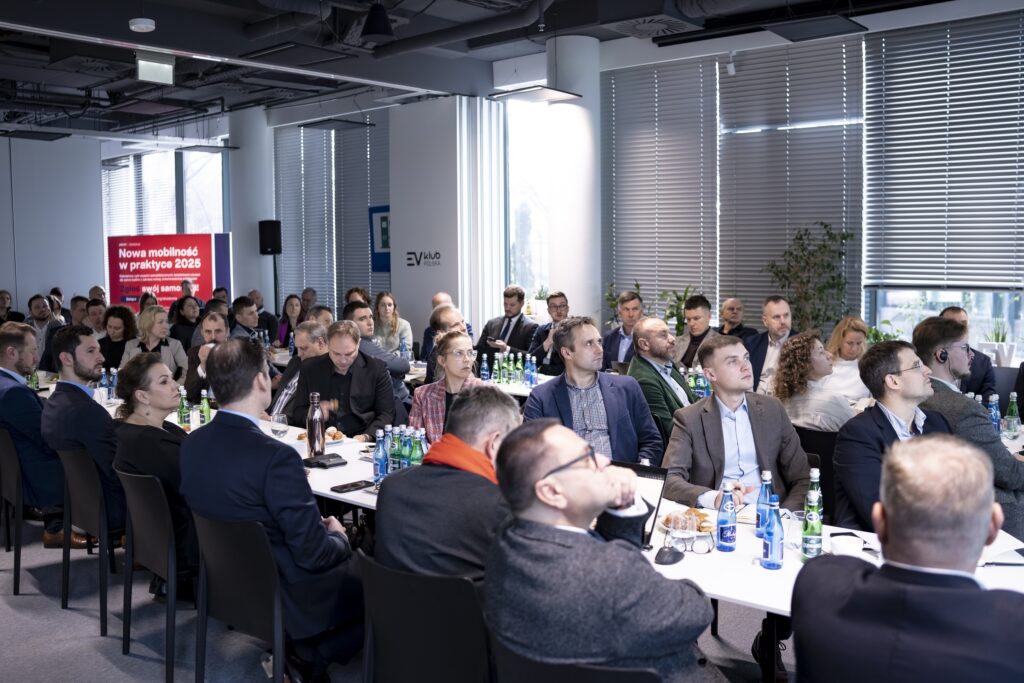
The meeting brought together logistics operators, freight forwarders, carriers, charging infrastructure providers and charging service operators, alongside representatives of local governments and financial institutions. The objective was to move beyond general declarations and concentrate on defining concrete responsibilities, investment sequencing and coordination mechanisms necessary for effective corridor electrification.
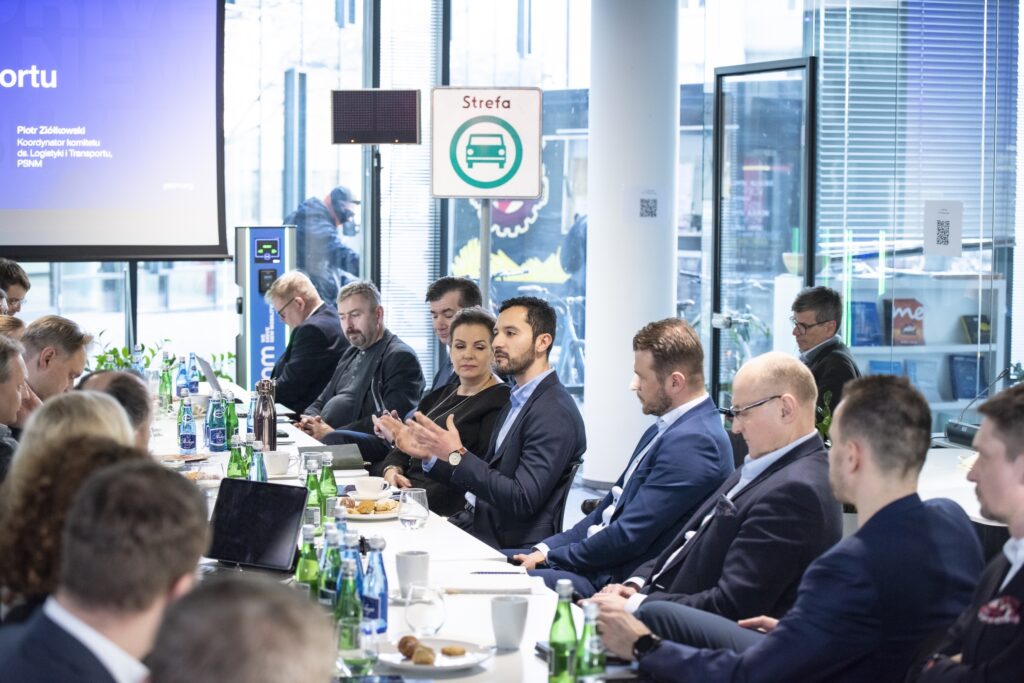
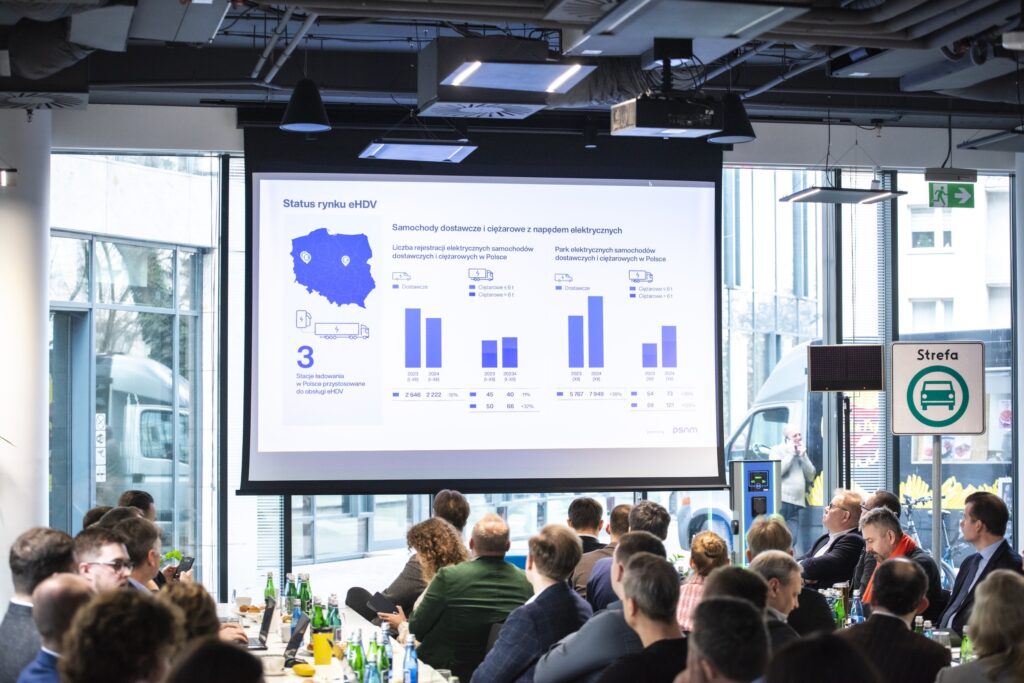
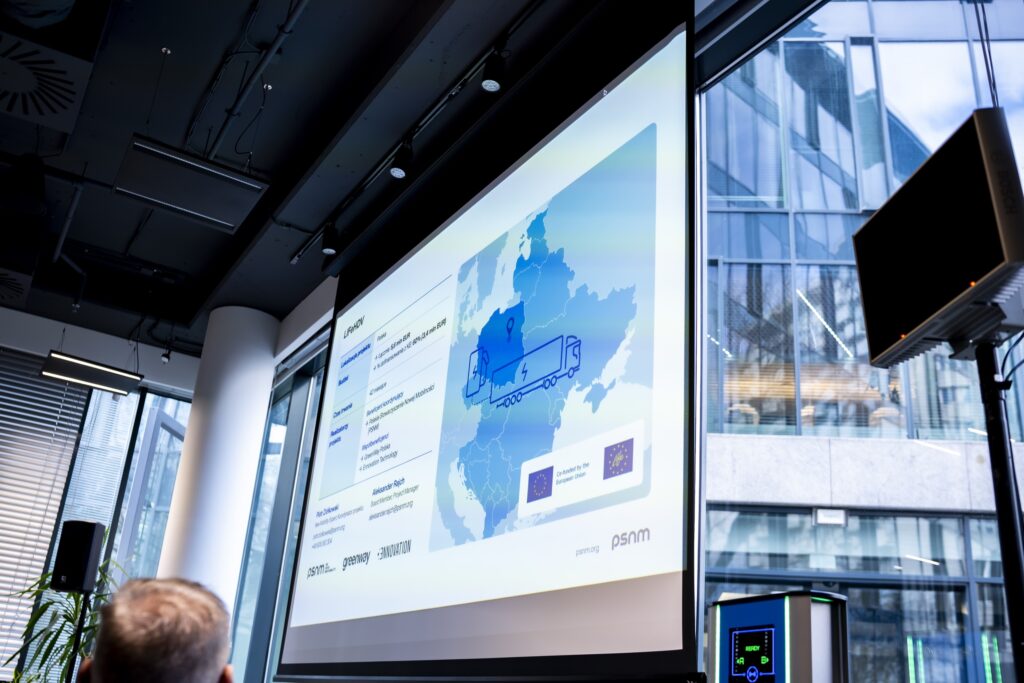
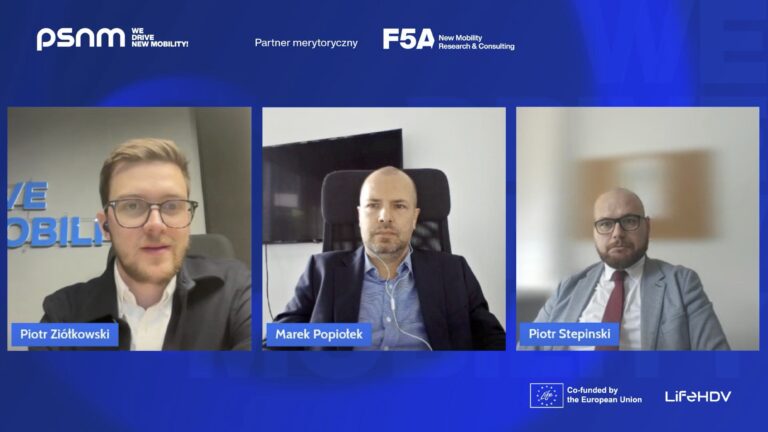
The discussion was attended by Marek Popiołek, responsible for the implementation of support programmes for the heavy transport sector at the Ministry of Climate and Environment, as well as by Ewa Ptaszyńska representing DG MOVE. Their presence ensured that both the national implementation perspective and the broader European policy context were reflected in the debate, particularly in relation to funding instruments, regulatory alignment and TEN-T requirements.
A key element of the meeting was the clarification of roles across the value chain – from public authorities and programme operators to infrastructure investors and fleet operators. Participants discussed how to synchronise infrastructure deployment with vehicle uptake and how to ensure that available support mechanisms effectively stimulate private investment without creating market distortions.
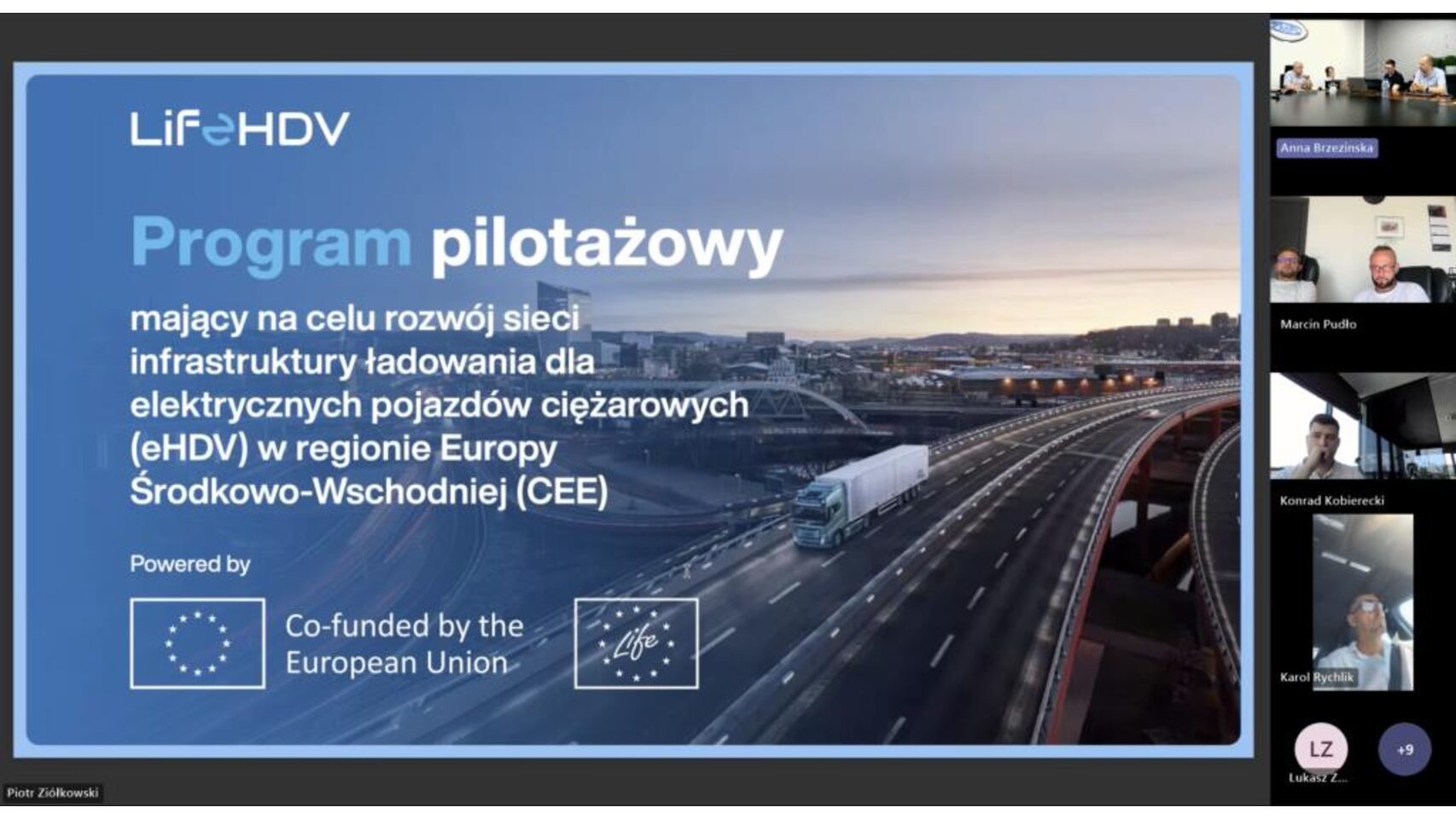
The LIFeHDV project was presented as a structured framework supporting these efforts and enabling coordination among stakeholders active in corridor electrification. In the broader context, cooperation with Smart Freight Centre complements these activities by contributing additional analytical and coordination input at the European level.
The working character of the meeting confirmed the growing maturity of the discussion around heavy-duty electrification in Poland. The focus is increasingly shifting from strategic declarations to practical implementation, financing and infrastructure planning.